

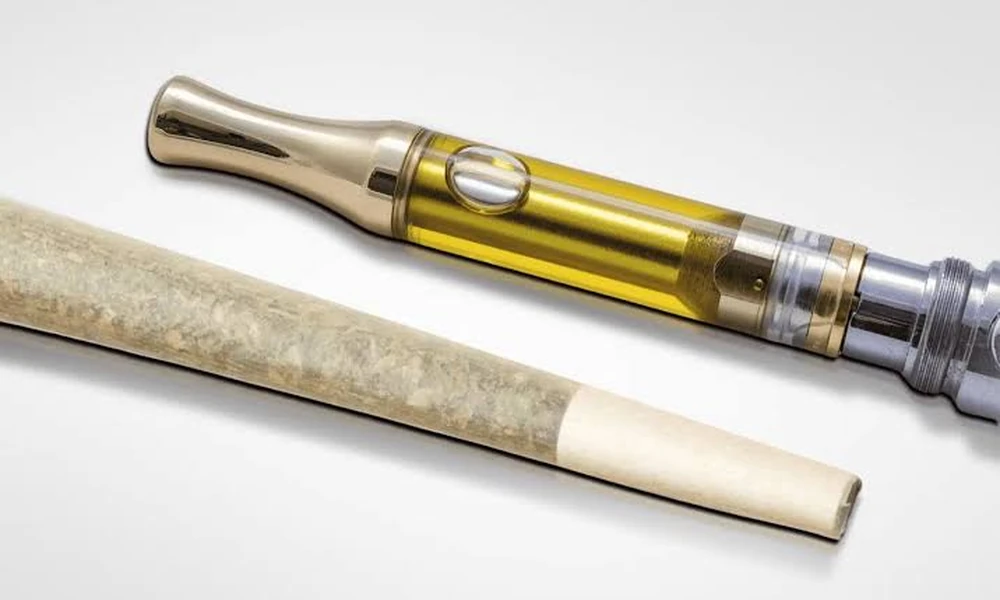
Flavour Consistency of depends primarily on how much of the oil’s original aromatic structure survives every stage between extraction and drawing. thca vape cart reviews that track this across multiple sessions almost always trace inconsistency back to production handling rather than the source plant itself. Experienced cartridge users recognise a particular kind of disappointment. A first draw that carries real aromatic depth, followed by a gradual flattening over the next several sessions. This is until the cartridge tastes like a generic version of what it started as. That pattern is not random. It reflects terpene loss that began somewhere in the production chain. This could be during extraction at too high a temperature, during post-extraction handling without cold-cure controls, or during filling, where ambient warmth drove off volatile fractions before the unit was sealed.
Oil structure drives draw
Full-spectrum extracts hold flavour across repeated draws in a way that single-fraction distillate oils do not, and the reason comes down to compound variety rather than concentration alone. When minor terpenes are present alongside dominant ones, the aromatic profile has layered depth to sustain across the cartridge’s life. A single dominant compound with nothing supporting it fades quickly once the most volatile fraction dissipates under repeated heating. Distillate compounds this problem because the refinement process strips terpenes entirely, and whatever is reintroduced afterwards does not bind to the oil matrix the way naturally preserved terpenes do.
- Naturally preserved terpene ratios maintain aromatic integrity across repeated heating cycles far longer than reintroduced alternatives.
- Minor terpene presence in full-spectrum oils sustains flavour complexity well into the later draws of a cartridge.
- Distillate flavour degradation tends to accelerate past the halfway point, where reintroduced compounds have largely dissipated.
Hardware role in taste
Ceramic heating elements are what stop aromatic compounds from scorching at the point of contact before they reach the airpath as usable vapour, and that single function is what makes ceramic the relevant hardware choice when flavour consistency across many draws is the measure being applied. Airflow calibration plays into this in ways that are easy to overlook. A cartridge where vapour travels through a well-designed airflow path arrives at the mouthpiece with its aromatic character largely intact. One where the path is poorly engineered either rushes vapour through too fast or holds it in contact with warm surfaces too long, both of which alter how the terpene profile registers.
Storage affects flavour
Warm or light-exposed cartridges lose terpene content gradually, and this loss is permanent when the aromatic compounds oxidise or evaporate. Warm cartridges lose lighter terpene fractions session by session, resulting in a product with a noticeably thinner taste at the three-quarter mark. One of the simplest variables a user can control directly is cool, stable storage with the cartridge upright.
- Light exposure oxidises terpene compounds in cartridge oil progressively, even through packaging that appears opaque.
- Heat between sessions drives off volatile aromatic fractions that cannot be reintroduced once lost from the oil.
- Upright storage prevents oil migration toward the mouthpiece or heating element that alters draw resistance and flavour delivery over time.
Maintaining flavour consistency across a full THCA cartridge is a chain problem. Extraction protects the aromatic profile first, cold handling carries it through processing, hardware vaporises it without damage, and storage conditions determine how much survives between sessions. Where any link in that chain is weak, the flavour character the source plant originally carried pays the price long before the oil runs out.
