

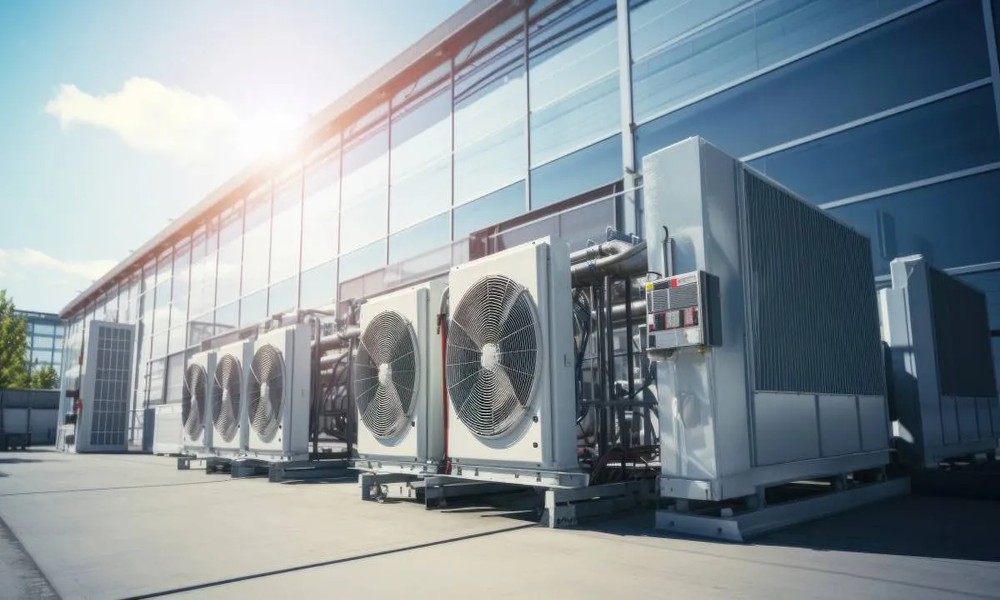
Homeowners expect their air conditioning system to keep running smoothly throughout the hottest months of the year. Unfortunately, many cooling systems show warning signs long before they completely stop working, and ignoring those signals often leads to expensive repairs or sudden breakdowns during peak summer temperatures. Homeowners searching for reliable AC repair in Fort Wayne, IN are often dealing with issues that started as small, manageable problems weeks earlier.
Recognising these early signs can help prevent unnecessary stress, higher energy bills, and uncomfortable indoor conditions. While some problems may appear minor at first, they can quickly develop into larger mechanical failures if left untreated.
Weak Airflow Coming From Your Vents
Poor airflow is one of the most common indicators that an air conditioning system is struggling. If certain rooms feel warmer than others or airflow from the vents seems noticeably weaker, the system may already be under strain.
Several issues can contribute to weak airflow, including:
- Dirty or clogged air filters
- Blocked ductwork
- Blower motor problems
- Frozen evaporator coils
- Compressor issues
Restricted airflow forces the system to work harder to cool the home. Over time, this additional strain increases wear on internal components and reduces overall efficiency.
Changing filters regularly and monitoring airflow throughout the house can help identify problems before they become more serious.
Strange Noises Should Never Be Ignored
Air conditioners naturally produce a low operational sound, but unusual noises often indicate developing mechanical issues. Sudden banging, grinding, rattling, or screeching sounds are not normal and usually suggest that a component inside the system needs attention.
Common warning noises include:
Banging or Clanking
These sounds may indicate loose or broken internal parts, particularly within the compressor or fan assembly.
Grinding
Grinding noises can point to motor bearing problems or worn mechanical components.
Buzzing
Electrical problems, loose wiring, or failing capacitors often create buzzing sounds.
Screeching
High-pitched noises may be linked to damaged belts or motor issues.
Ignoring unusual sounds can allow minor problems to worsen over time. Early repairs are usually far less expensive than replacing damaged components after a complete failure.
Warm Air Coming From the AC
One of the clearest signs of trouble is warm air blowing from the vents when the system should be cooling the home. This issue can develop gradually or appear suddenly during heavy system use.
Several underlying problems may be responsible:
- Refrigerant leaks
- Thermostat malfunctions
- Dirty evaporator coils
- Compressor failure
- Electrical issues
Warm airflow often forces homeowners to lower thermostat settings repeatedly, causing the system to run longer while delivering little improvement in comfort. This increases energy usage and accelerates wear on the unit.
If the air conditioner struggles to maintain consistent temperatures, professional inspection is usually necessary to prevent larger system damage.
Frequent Cycling and Constant Running
Air conditioning systems are designed to cycle on and off periodically throughout the day. However, frequent short cycling or systems that run continuously without reaching the desired temperature often signal efficiency or mechanical problems.
Short cycling may occur because of:
- Dirty air filters
- Oversized systems
- Faulty thermostats
- Refrigerant issues
- Electrical faults
Constant operation places significant pressure on the compressor, which is one of the most expensive components to replace.
Homeowners often assume continuous operation during hot weather is normal, but excessive cycling usually indicates that the system is struggling to function properly.
Sudden Increases in Energy Bills
A sharp increase in energy costs without major changes in household usage is often linked to declining HVAC efficiency. Air conditioning systems naturally become less efficient over time, but noticeable spikes in utility bills can suggest developing repair issues.
Common causes include:
- Dirty condenser coils
- Restricted airflow
- Ageing components
- Refrigerant leaks
- Failing motors
When systems lose efficiency, they consume more electricity while producing less effective cooling. These problems tend to worsen gradually, making them easy to overlook until energy bills become significantly higher.
Monitoring monthly energy usage can help homeowners identify efficiency problems early.
Moisture, Leaks, or Unpleasant Odours Around the Unit
Moisture around the indoor unit is another warning sign that should not be ignored. While small amounts of condensation are normal, visible leaks or excess moisture may indicate blocked drain lines or refrigerant issues.
Unpleasant smells can also reveal hidden problems.
Musty Odours
These smells often suggest mould or mildew growth inside the system or ductwork.
Burning Smells
Electrical issues or overheating components can produce sharp burning odours.
Chemical Smells
Refrigerant leaks sometimes create unusual chemical-like smells near the unit.
Leaks and odours not only affect system performance but may also create indoor air quality concerns. Addressing these issues quickly helps prevent larger repairs and protects household comfort.
The Importance of Preventative Maintenance
Many major AC failures can be avoided through regular maintenance and early inspections. Preventative servicing helps technicians identify worn parts, airflow restrictions, and efficiency issues before they become serious problems.
Routine maintenance offers several long-term benefits:
Homeowners can also reduce strain on their systems by keeping outdoor units clear of debris, replacing filters regularly, and paying attention to changes in system performance.
Waiting until an air conditioner completely stops working often leads to higher repair costs and longer periods without cooling during extreme temperatures.
Conclusion
Air conditioning systems rarely fail without warning. Weak airflow, unusual noises, rising energy bills, warm air, and constant cycling are all signs that something may already be wrong inside the system. Recognising these issues early gives homeowners the opportunity to address problems before they turn into expensive repairs or full system breakdowns.
Consistent maintenance and prompt attention to warning signs can help keep cooling systems running efficiently, improve indoor comfort, and reduce long-term repair costs. Even small changes in performance should never be ignored, especially during periods of heavy summer use.
