

The modern home is becoming increasingly interconnected, with technology touching everything from our security systems to our kitchen appliances. However, few technological upgrades offer as much tangible value as a smart thermostat. For many homeowners, the heating and cooling system is the largest consumer of energy in the household, yet it is often managed by outdated, manual controls that lead to wasted electricity and inconsistent comfort levels. Stepping into the world of automated climate control allows you to take command of your home’s environment with precision. Finding the right smart thermostat for your HVAC system is the first step toward a more sustainable, cost-effective, and comfortable living experience.
By moving beyond the traditional “set it and forget it” mentality, you can leverage data and remote connectivity to ensure your home is only being conditioned when it is actually occupied. This transition doesn’t just lower your monthly utility bills; it also reduces the mechanical strain on your furnace and air conditioner by preventing unnecessary cycling. In this guide, we will explore how to navigate the various features and compatibility requirements of modern temperature controls to find the perfect match for your lifestyle.
Understanding Compatibility and the “C-Wire”
Before you fall in love with a specific model’s aesthetic, you must verify that it can actually talk to your current heating and cooling equipment. Most modern smart thermostats require a steady stream of 24V power to run their Wi-Fi radios and backlit touchscreens. This is typically provided by a “C-wire” or common wire. While many newer homes have this wire already tucked behind the old thermostat, older homes might require an adapter or a professional to pull a new wire from the furnace control board.
If your home uses high-voltage baseboard heaters or a proprietary communicating system from a specific manufacturer, your options might be more limited. It is always wise to pop the cover off your existing unit and take a photo of the wiring before you head to the store. This small bit of prep work ensures that your journey toward improved energy efficiency doesn’t hit a roadblock during the installation phase.
The Power of Learning and Geofencing
One of the most significant leaps in HVAC technology is the “learning” thermostat. These devices track your manual adjustments over the first week or two of use and eventually build a schedule for you. If you typically turn the heat down to 68°F at 10:00 PM, the device will begin doing it automatically. This removes the human error of forgetting to adjust the temperature before heading to bed or leaving for work.
Geofencing takes this a step further by using your smartphone’s GPS location. When you cross a certain “fence” or distance away from your house, the thermostat enters an “Away” mode to save energy. As you drive back toward home, it detects your approach and begins pre-cooling or pre-heating the house so that it is perfectly comfortable the moment you walk through the door. This level of automation ensures that the right smart thermostat for your HVAC system is one that adapts to your life, rather than forcing you to adapt to its schedule.
Remote Access and Home Integration
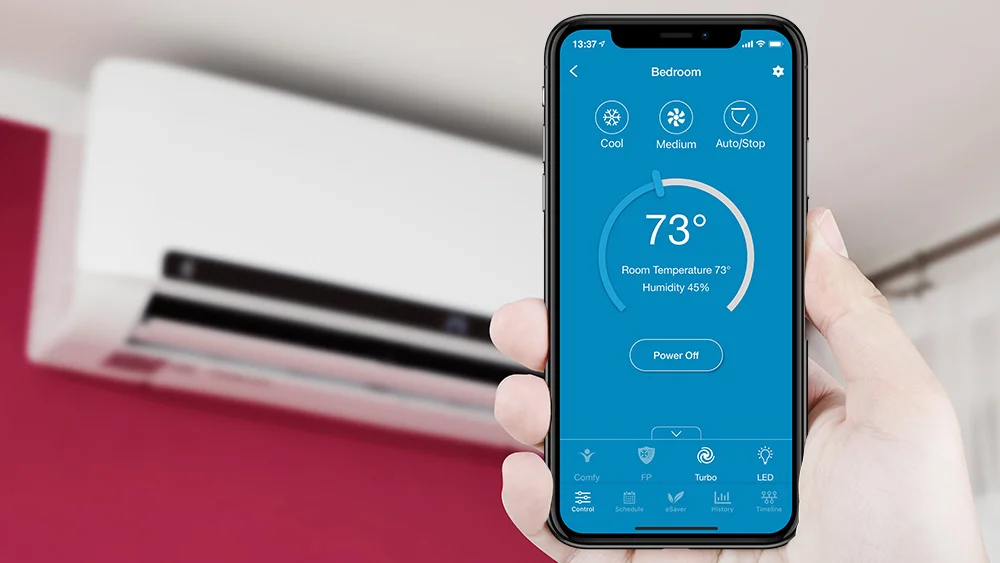
The ability to control your home’s climate from a smartphone app is more than just a novelty; it is a powerful tool for home management. Imagine being on vacation and realizing you left the air conditioning on full blast, or being able to turn the heat up from under the covers on a freezing winter morning. Most top-tier models also integrate with voice assistants like Amazon Alexa, Google Assistant, or Apple HomeKit, allowing you to change the temperature with a simple voice command.
Beyond basic control, many smart thermostats provide detailed energy reports. These insights show exactly how many hours your system ran each day and offer tips on how to save more. Some can even monitor the health of your HVAC system, sending an alert to your phone if it detects an unusual run pattern that might indicate a failing blower motor or a clogged air filter.
Key Features to Look For
When comparing different brands and models, it is easy to get overwhelmed by the marketing jargon. To simplify your decision, focus on the features that will have the most significant impact on your daily comfort and long-term savings:
- Remote Sensors: These small devices can be placed in bedrooms or home offices to ensure the thermostat is averaging the temperature across the whole house, not just the hallway where the main unit is located.
- HVAC Maintenance Alerts: Receive notifications when it is time to change your filters or schedule a professional seasonal tune-up.
- Humidity Control: Some advanced models can communicate with whole-home humidifiers or dehumidifiers to maintain the perfect moisture balance in the air.
- Occupancy Sensors: Built-in motion detectors can tell if a room is empty and adjust the temperature accordingly to save energy.
- Utility Rebates: Many local power companies offer significant rebates—sometimes covering the entire cost of the device—if you install an Energy Star-certified model.
Aesthetic and User Interface
While the “brains” of the unit are what save you money, the “face” of the unit is what you will interact with every day. Modern designs range from sleek, glass-fronted circles to minimalist rectangular displays that blend into the wall. Consider whether you prefer a physical dial, a touchscreen, or a device that is managed almost entirely through an app. The best smart temperature control is the one that you find intuitive and easy to use, as a complicated interface often leads to users ignoring the energy-saving features.
Conclusion
Upgrading to a smart thermostat is one of the most cost-effective ways to modernize your home and take control of your energy footprint. By choosing a device that offers the right mix of automation, compatibility, and remote connectivity, you can enjoy a more consistent indoor climate while significantly reducing your monthly overhead. The initial investment often pays for itself within the first year through energy savings alone. Take the time to evaluate your home’s specific needs, check your wiring, and step into a future where your home’s comfort is managed with intelligence and ease.
