

https://luxurystnd.com/
How Live-In Care Can Help Older Couples Stay Together in Their Own Home
For couples who have spent decades building a life together, the thought of leaving their home can be difficult. Familiar rooms, shared routines and treasured belongings often hold years of memories.
When one partner begins to need more help with everyday activities, families may start considering residential care. But moving into different care arrangements is not always the only option.
For some couples, live-in care can provide a practical alternative, allowing them to remain together in the home they know while receiving appropriate professional support.
When One Partner Begins to Need More Support
As people get older, their care needs do not always change at the same pace.
One partner may remain relatively independent while the other develops mobility difficulties, a long-term health condition or problems managing everyday tasks.
Initially, the more independent partner may take on additional responsibilities.
This could involve preparing meals, helping with personal care, managing appointments and assisting with movement around the home.
Over time, however, these responsibilities can become physically and emotionally demanding.
Even when someone is happy to support their husband or wife, providing regular care without sufficient assistance may affect their own wellbeing.
Recognising when extra support could help is an important step towards protecting both partners’ quality of life.
What Is Live-In Care for Couples?
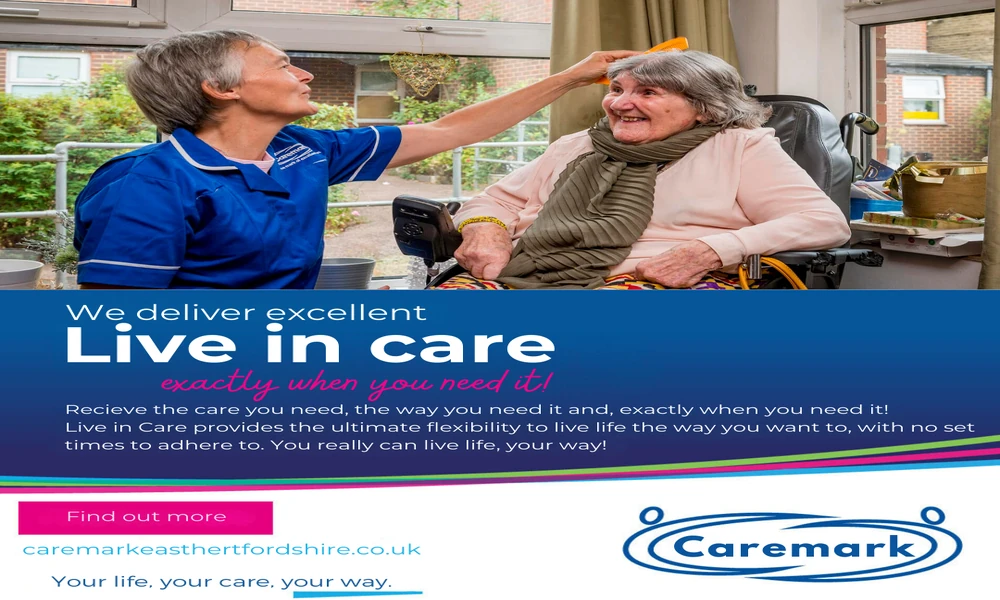
Live-in care involves a professional care assistant living in the person’s home and providing agreed support with everyday activities.
For couples, the arrangement may help one or both partners receive suitable assistance while continuing to live together.
Care can be tailored around individual needs, potentially including personal care, meal preparation, mobility assistance and everyday routines.
The suitability of a shared arrangement depends on the needs of both individuals, the home environment and the level of support required.
Families exploring live-in care in East Hertfordshire can discuss these considerations with a professional care provider before making any decisions.
Maintaining Familiar Routines and Relationships
One of the main attractions of receiving care at home is the opportunity to maintain established routines.
For an older couple, ordinary activities can have considerable meaning.
Enjoying breakfast together, watching a favourite television programme or spending time in the garden may be important parts of daily life.
Moving into unfamiliar surroundings can disrupt these routines, particularly where someone is living with dementia or finds change unsettling.
Live-in care may allow couples to continue enjoying everyday activities together while receiving practical assistance.
It can also help preserve their sense of privacy and personal choice.
Taking Pressure Off Family Members
When an older relative begins requiring regular support, family members often step in to help.
Adult children may find themselves coordinating appointments, preparing meals and travelling between their own homes and their parents’ property.
Although families naturally want to help, balancing these responsibilities with employment and personal commitments can become challenging.
Appropriate professional care can share some of that responsibility.
Rather than spending every visit completing essential tasks, relatives may have more opportunities to enjoy meaningful time with their loved ones.
Good communication between the care provider, the couple and their family is particularly important.
Is Live-In Care Suitable for Every Couple?
Live-in care is not necessarily appropriate for every situation.
A careful assessment should consider mobility, medical conditions, personal care needs, the layout of the property and whether suitable accommodation is available for the care assistant.
It is also important to understand that live-in care does not automatically provide continuous waking supervision throughout the night.
Additional arrangements may be necessary where someone requires frequent overnight assistance or specialist nursing care.
Families should discuss these needs openly before selecting a service.
Choosing a Local Care Provider
Working with a local provider can make it easier to discuss changing needs, arrange assessments and maintain communication.
Caremark East Hertfordshire & Broxbourne provides personalised home care across East Hertfordshire and Broxbourne, including live-in care and support with daily activities.
The service covers Ware, Hertford, Hoddesdon, Cheshunt, Bishop’s Stortford and surrounding communities.
Its approach focuses on understanding individual routines, respecting personal preferences and helping people remain independent wherever possible.
Supporting Couples to Continue Life Together
Choosing care for an older couple involves important emotional and practical considerations.
For those who wish to remain together at home, live-in care may provide a way to receive professional assistance without immediately moving into residential accommodation.
The right decision will always depend on each person’s circumstances, but exploring the available options can help families make informed choices with greater confidence.
Contact Caremark East Hertfordshire & Broxbourne
Sareet Shah – Managing Director
Telephone: 01920 733 026
Email: easthertsandbroxbourne@caremark.co.uk
