

https://luxurystnd.com/
Truck Hydraulic Wet Kit Problems: 7 Warning Signs You Shouldn’t Ignore
Hydraulic wet kits are essential for many commercial vehicles, powering everything from tipping bodies and walking floor trailers to specialist lifting equipment.
When everything is working properly, operators rarely give the hydraulic system a second thought. However, when a wet kit begins to lose performance, even a relatively minor issue can disrupt daily operations and leave a truck unable to complete its work.
Recognising early warning signs can help fleet managers, haulage operators and workshop engineers identify problems before they develop into more expensive repairs.
Here are seven common indicators that your truck’s hydraulic wet kit needs professional attention.
1. Slower Tipping or Hydraulic Operation
One of the earliest signs of a developing hydraulic problem is a noticeable reduction in operating speed.
If a tipper body takes longer than usual to raise, or a walking floor begins operating more slowly, the hydraulic system may not be delivering the required oil flow.
Possible causes include restricted filters, insufficient hydraulic oil, internal pump wear or problems with control valves.
It’s important not to assume that the hydraulic pump is automatically responsible. A proper assessment should examine the complete system.
For operators considering replacement truck hydraulic wet kits, identifying the original problem first can help prevent unnecessary expenditure.
2. Unusual Noises From the Hydraulic Pump
Hydraulic equipment will naturally produce some operating noise, but grinding, whining or rattling sounds shouldn’t be ignored.
A pump that becomes noticeably louder may be experiencing issues such as cavitation, aeration or component wear.
Cavitation can occur when insufficient oil reaches the pump inlet, potentially creating damaging vapour bubbles within the hydraulic fluid.
Aeration involves unwanted air entering the system, which can also affect performance and generate noise.
Continuing to operate equipment with these symptoms risks further damage. The cause should be investigated before the vehicle returns to normal service.
3. Hydraulic Oil Getting Too Hot
Excessive heat is another warning that something may be wrong.
Hydraulic systems generate heat during normal operation, but consistently high oil temperatures can reduce efficiency and accelerate deterioration of seals and other components.
Possible causes include restricted oil flow, incorrect operating conditions, unsuitable oil, excessive pressure losses or hydraulic equipment working beyond its intended specification.
Oil that repeatedly overheats should prompt a review of the system rather than simply topping up the reservoir.
The condition of the tank, filters, hoses, valves and pump may all need checking.
4. Oil Leaks Around Hoses and Connections
Visible hydraulic oil around hoses, fittings or connections is a clear reason to arrange an inspection.
Leaks may develop because of damaged seals, worn hoses, loose connections or deterioration caused by vibration and regular use.
Even a relatively small leak can become a more serious problem, especially where hydraulic equipment operates under high pressure.
Hydraulic fluid escaping under pressure can penetrate the skin and cause severe injury. Never attempt to locate a leak with your hands or work on a pressurised system.
Qualified engineers should isolate and depressurise the equipment before carrying out repairs.
5. Problems Engaging the Power Take-Off
The power take-off, commonly called the PTO, transfers mechanical power from the truck’s drivetrain to operate hydraulic equipment.
If the PTO fails to engage correctly, the wet kit may not operate at all.
The cause could involve pneumatic controls, electrical switches, mechanical components or compatibility issues within the PTO arrangement.
In some cases, operators may notice intermittent engagement or a delay before hydraulic equipment responds.
Because PTO specifications differ between vehicles and gearboxes, accurate identification is important when sourcing replacements.
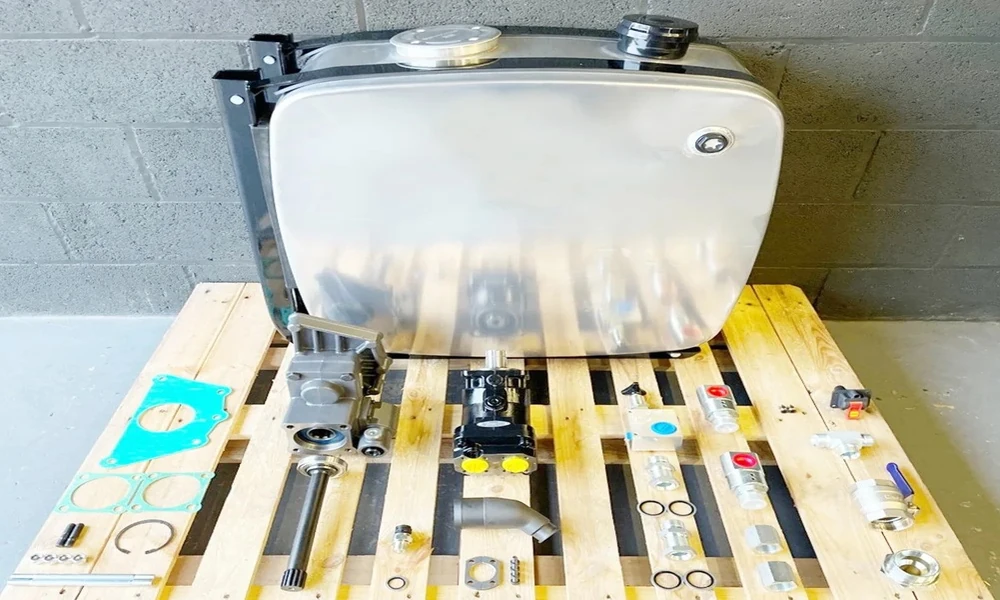
Suppliers such as MW Truck Parts offer a range of hydraulic wet kits for different commercial vehicle applications.
6. Jerky or Inconsistent Hydraulic Movement
Hydraulic equipment should generally operate smoothly and predictably.
If a tipping body rises unevenly, a walking floor hesitates or hydraulic movement becomes inconsistent, the system may need attention.
Contaminated oil, trapped air, worn control valves and internal leakage are among the possible causes.
Operators should also consider whether the equipment is being used within its recommended operating limits.
Attempting to compensate for poor performance by increasing operating pressure without proper diagnosis can create additional risks.
A professional inspection can help establish whether servicing, individual component replacement or more extensive repairs are necessary.
7. Repeated Repairs and Increasing Downtime
Sometimes the clearest indication of a problem isn’t a single dramatic failure but a pattern of repeated breakdowns.
If hydraulic hoses, seals or other components require frequent replacement, there may be an underlying issue with system pressure, operating conditions or component selection.
For businesses running tipper trucks, walking floor trailers or other hydraulically operated vehicles, repeated downtime can quickly affect productivity.
In some circumstances, replacing worn individual components may be sufficient. In others, upgrading an ageing or unsuitable hydraulic arrangement could provide a more practical long-term solution.
MW Truck Parts supplies complete wet kits alongside individual hydraulic pumps, tanks, PTOs, valves and associated equipment.
Choosing the Right Replacement Hydraulic Wet Kit
Before ordering replacement equipment, operators should confirm the vehicle specification and the type of hydraulic work being carried out.
A truck primarily used for tipping may require a different configuration from one operating a walking floor trailer or multiple hydraulic applications.
Important considerations include gearbox and PTO compatibility, pump displacement, hydraulic flow requirements, working pressure and available mounting space.
Choosing equipment based on the vehicle model alone isn’t always sufficient.
Working with an experienced supplier can help ensure replacement components are appropriate for the intended application.
Keep Your Hydraulic Equipment Working Reliably
A well-maintained hydraulic wet kit plays an important role in keeping specialist commercial vehicles productive.
Slower operation, unusual noises, overheating, oil leaks and intermittent PTO engagement should all be investigated before they result in more serious problems.
Early diagnosis, appropriate maintenance and correctly specified replacement components can help operators minimise avoidable downtime.
For businesses looking for reliable truck hydraulic wet kits, MW Truck Parts supplies complete single-line, twin-line and tri-line systems alongside specialist hydraulic components.
Based in Bridlington, East Yorkshire, the company supports commercial vehicle operators and workshops throughout the UK.
Contact MW Truck Parts
Telephone: 01262 601600
Email: sales@mwhydraulics.co.uk
Website: https://mwhydraulics.co.uk/
