

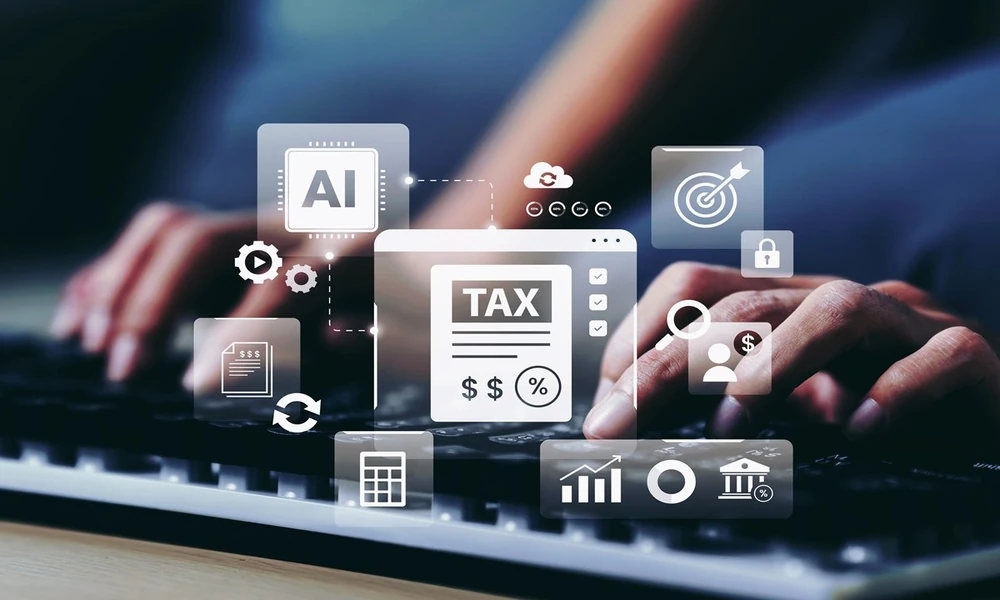
You might be feeling the pressure already. Tax work has always demanded precision, but now the stakes feel even higher. Rules shift, records live in different systems, and one small entry error can turn into a notice, a delay, or a costly amendment. If you are wondering how professionals keep all of this straight, you are asking the right question, especially when it comes to accounting in University Place. The short answer is that a skilled Tax Accountant uses technology to reduce manual mistakes, catch missing data sooner, and create a clearer trail for every number that goes on a return.
That matters because accuracy is not just about avoiding embarrassment. It affects penalties, refunds, audit risk, and your peace of mind. When people talk about tax accounting technology, they are really talking about tools that help organize records, verify details, and spot issues before they become problems. Used well, those tools support judgment. They do not replace it.
Why does tax accuracy feel harder than it used to?
For many people and businesses, the problem starts long before filing season. Income may come from several sources. Expenses may be tracked in one app, payroll in another, and bank records somewhere else. By the time tax preparation begins, you are not working from one clean set of books. You are piecing together a story from scattered documents.
Because of this tension, you might wonder whether software alone can solve the problem. It usually cannot. Software can pull data, sort transactions, and flag mismatches, but it still needs a trained person to review gray areas. A missed classification, a duplicate entry, or a bad import can still slip through if nobody is paying attention.
That is why a modern tax professional often works in two layers at once. The first layer is automation. The second is review. Technology handles repetitive work, while the accountant checks whether the result actually makes sense. In practice, that can mean reconciling bank feeds against bookkeeping records, comparing this year’s return to prior year patterns, and using validation tools that catch inconsistencies before filing.
There is also a wider reason accuracy matters now. Federal oversight and tax administration challenges continue to draw attention. Recent Government Accountability Office reporting on tax filing season and IRS operations shows how important reliable systems and clean data are to the tax process. You can see that context in this GAO review of filing season and tax administration issues and this GAO report on ongoing IRS management and technology concerns. If the system itself depends on accurate information flow, then the quality of your records matters even more.
How do tax accountants use digital tools without losing the human check?
The best answer is balance. A technology-driven tax accountant does not hand everything over to software and hope for the best. Instead, digital tools are used to support a careful process.
Optical character recognition can pull numbers from W-2s, 1099s, receipts, and prior returns, which cuts down on manual entry. Secure client portals reduce the risk of lost attachments and old email chains. Cloud accounting systems keep records current, so tax planning does not begin from outdated numbers. Error-checking software flags missing Social Security numbers, unusual deduction patterns, and basic math issues. Analytics tools can compare current figures to prior periods and identify outliers that deserve a second look.
So, where does that leave the human side? Right where it belongs. An experienced accountant still asks the hard questions. Does this expense belong here? Is this contractor really classified correctly? Does the reported income line up with deposits and issued forms? Technology can point to the issue, but judgment is what resolves it.
That mix is especially helpful when life or business is messy. What if you changed payroll providers midyear? What if you sold assets, started a side business, or mixed personal and business spending by mistake? Those are the moments when software helps organize the facts, and a tax accountant helps interpret them.
What practical difference does technology make in tax preparation?
Sometimes the value is easiest to see side by side. If you compare a manual process to a tech-supported one, the difference is not just speed. It is consistency, documentation, and the chance to catch errors early.
| Task | Mostly Manual Process | Tech-Supported Process |
|---|---|---|
| Document collection | Email threads, paper files, missing attachments | Secure portals with checklists and upload tracking |
| Data entry | Hand-keyed figures with higher typo risk | Imports and OCR tools reduce repeated entry |
| Error detection | Depends on visual review alone | Validation rules flag mismatches and omissions |
| Record matching | Time consuming bank and ledger comparison | Automated reconciliation highlights exceptions |
| Audit trail | Scattered notes and hard-to-trace changes | Time-stamped files, version history, and linked support |
If you are deciding whether to handle taxes alone or work with a professional, this is often the real issue. DIY tools may be enough for a simple return. But when transactions stack up, when there are business deductions, payroll, sales activity, or multiple income streams, accurate tax preparation usually depends on both good systems and informed review.
What can you do right now to improve tax accuracy?
1. Centralize your records. Put income documents, expense receipts, payroll reports, and prior returns in one secure place. If your records live across email, paper folders, and apps, errors become more likely simply because key details get missed.
2. Reconcile monthly, not yearly. Do not wait until filing season to compare bank activity, bookkeeping entries, and supporting documents. Monthly review gives you time to fix coding errors, chase missing receipts, and correct duplicate transactions before they pile up.
3. Ask for a process, not just a price. If you are hiring a Tax Accountant, ask how they collect documents, verify imported data, review exceptions, and store records. A clear process often tells you more about likely accuracy than a quick quote ever will.
What should you take away from all of this?
If tax season leaves you tense, that response makes sense. The details matter, and the details can be hard to control when your information is spread out or your situation has changed. The good news is that technology, used well, can make tax work cleaner and more reliable. It can reduce avoidable mistakes, strengthen documentation, and give your accountant better visibility into what needs attention.
Still, tools are only part of the answer. Accuracy comes from pairing smart systems with careful review. If you want fewer surprises and more confidence in your numbers, now is a good time to organize your records and speak with a qualified Tax Accountant about the process that fits your situation.
