

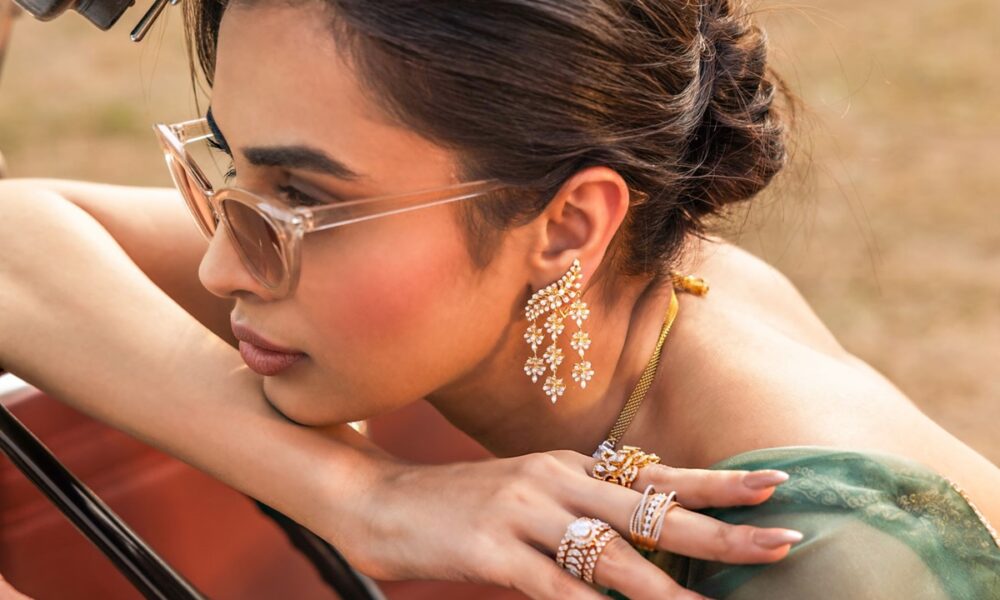
In the past, fashion trends typically evolved on a seasonal or annual basis. Today, however, many trends can emerge within just a few weeks and quickly be replaced by new styles. Short-video platforms, social media influencers, and visual content platforms have significantly accelerated how consumers discover jewelry trends. A necklace or a pair of earrings featured in a popular video or post can quickly generate attention and purchasing demand across multiple markets.
For online sellers and boutique owners, this shift brings both opportunities and pressure. Identifying potential best-selling products early often leads to higher sales. However, incorrect predictions may result in excess inventory. The real challenge is not only spotting trends but also being able to source related products in time.
For this reason, an increasing number of e-commerce sellers rely on fast-responding wholesale jewelry suppliers. These suppliers typically provide clear product information, continuously updated new arrivals, and more flexible purchasing models. Wholesale platforms such as Nihaojewelry have gradually become important resources for many retailers when testing products and restocking quickly.
Next, this article will analyze several key trends in the current wholesale jewelry market and, through specific product categories, provide sellers with insights for product selection and purchasing decisions.
Current Trends in the Wholesale Jewelry Market
Stainless Steel Jewelry
In recent years, stainless steel jewelry has gained increasing visibility across multiple e-commerce platforms. One of the main reasons is the durability of the material itself. Stainless steel has strong resistance to oxidation, making it less likely to fade or tarnish. This makes it suitable for everyday wear.
From a seller’s perspective, stainless steel products usually maintain consistent quality across different production batches. This stability helps reduce return rates and minimizes after-sales issues, which is especially important for sellers operating on large e-commerce platforms.
925 Sterling Silver Jewelry
Another product category with consistently stable demand is 925 sterling silver jewelry. While design styles may change with trends, silver jewelry as a material has always maintained a solid market base.
Many consumers want jewelry that offers higher quality than standard fashion accessories but do not want to enter the price range of gold or luxury jewelry. In this case, 925 sterling silver products often become an ideal option. As a result, many sellers position these items within the mid-range price tier of their stores.
Stainless Steel Earrings
Among stainless steel products, stainless steel earrings tend to perform particularly well on social media. Earrings are small but visually striking, making them highly suitable for product photography and short-form video content. This increases their chances of gaining exposure on social platforms.
Additionally, earrings are generally lower-priced items. Consumers face lower decision-making costs when purchasing them, which makes impulse buying more likely. Many retailers therefore use earrings as entry-level products to attract new customers.
Rapidly Updated Fashion Jewelry
Another noticeable trend is the faster update cycle of fashion jewelry. More wholesale suppliers are moving away from traditional seasonal product catalogs and instead adopting a model of frequent small-batch releases.
This approach is similar to the fast-fashion model used in the apparel industry. Sellers can test new products more quickly and adjust their inventory structures based on market feedback.
How to Determine Whether a Wholesale Jewelry Supplier Is Reliable
When selecting suppliers, price is important but not the only deciding factor. Several other aspects can significantly influence a seller’s long-term purchasing experience.
Transparency of Product Information
Reliable suppliers typically provide detailed product information, including material descriptions, production methods, dimensions, and weight. Clear product information helps sellers understand exactly what they are purchasing and reduces communication errors with end consumers.
In the jewelry industry, material information is particularly important because customers often care about durability, potential skin sensitivity, and daily maintenance.
Ability to Launch New Products
The ability to continuously release new products is a key indicator of a supplier’s competitiveness. If suppliers regularly update their product catalogs, sellers can more easily test emerging trends.
A stable new-product release system also helps retailers keep their stores fresh without waiting for traditional large seasonal product launches.
Flexible Order Models
Many online sellers prefer to begin with small testing orders instead of purchasing large quantities of inventory at once. Suppliers that support small-batch ordering allow sellers to reduce the risks associated with product testing.
Through this approach, sellers can test multiple styles simultaneously and identify items with real market potential.
Communication Efficiency
Communication efficiency is another factor that is often overlooked but extremely important. Timely updates regarding product inquiries, order progress, and logistics information can help avoid unnecessary operational delays.
Suppliers that respond quickly are usually easier to integrate into a seller’s supply chain system.
Product Category Examples from Nihaojewelry
When browsing product catalogs on wholesale platforms such as Nihaojewelry, several representative product categories can often be identified. These categories also reflect the typical structure of today’s wholesale market.
Stainless Steel Jewelry Collections
Stainless steel collections typically include rings, necklaces, bracelets, and earrings. These products often feature minimalist designs or geometric styles, appealing to a wide range of consumers.
Because stainless steel has strong resistance to oxidation, some sellers position these items as everyday jewelry, emphasizing practicality and durability.
925 Sterling Silver Jewelry
Sterling silver collections often lean toward more delicate styles, such as fine chains, simple pendants, or designs accented with small gemstones. These products are frequently marketed as gift-type jewelry or light luxury everyday accessories.
Some retailers also use silver jewelry to establish a pricing hierarchy within their stores, allowing them to cater to customers with different budgets.
Trend-Focused Earrings
Earrings are often among the fastest-updated categories in wholesale catalogs. Common designs include hoop earrings of various shapes, layered styles, and symbolic pattern elements.
Due to their relatively low price points, earrings also serve as a common category for sellers to test visual trends in the market.
Product Selection and Inventory Strategies for Sellers
Even with access to large product catalogs, successful sellers rarely purchase large quantities of new products at once. Instead, they tend to adopt a “test-driven” product selection strategy.
Small-Batch Testing of Trend Products
A common approach is to purchase small quantities of multiple styles simultaneously. This allows sellers to test the market performance of different designs while maintaining relatively low risk.
By testing multiple products at the same time, sellers can often identify popular items more quickly.
Monitoring Short-Term Sales Performance
Many e-commerce sellers evaluate product performance shortly after launch, such as within the first 7 or 14 days. Metrics like click-through rate, conversion rate, and customer feedback can serve as key indicators of a product’s potential.
If a particular product performs well during the initial stage, sellers may then consider restocking it quickly.
Using Social Media Feedback
Engagement data on social media can sometimes reveal market demand earlier than sales data. For example, certain jewelry items may receive higher numbers of likes, comments, or shares in photos or short videos, indicating potential market interest.
Monitoring these content performance signals can help sellers make restocking decisions before the market becomes saturated.
As social media continues to accelerate the spread of fashion trends, the jewelry market is evolving at an increasingly rapid pace. Some styles may quickly become popular within a short period, while others may soon be replaced by new designs.
For online sellers and boutique owners, maintaining flexibility in product selection has become increasingly important. Continuously testing new products, monitoring short-term sales data, and adjusting inventory structures based on market feedback are common practices among many successful sellers.
During this process, choosing the right wholesale supplier can significantly reduce the risks associated with product selection. Suppliers that offer clear product information, stable new product updates, and flexible ordering models are often better positioned to help sellers build efficient purchasing and restocking processes.
