

Introduction
Lighting has evolved far beyond the traditional purpose of illuminating a room. Today, LED strip lighting plays an important role in interior design, commercial environments, architectural projects, and decorative applications. Its flexibility, energy efficiency, and adaptability make it suitable for both simple and complex lighting installations. However, achieving consistent performance requires more than selecting attractive lighting products. Manufacturing quality, component selection, technical expertise, and customization also influence the final results. Understanding these factors helps businesses, contractors, and lighting distributors make informed decisions when choosing LED strip products for different applications.
Understanding the Technology Behind LED Strip Lighting
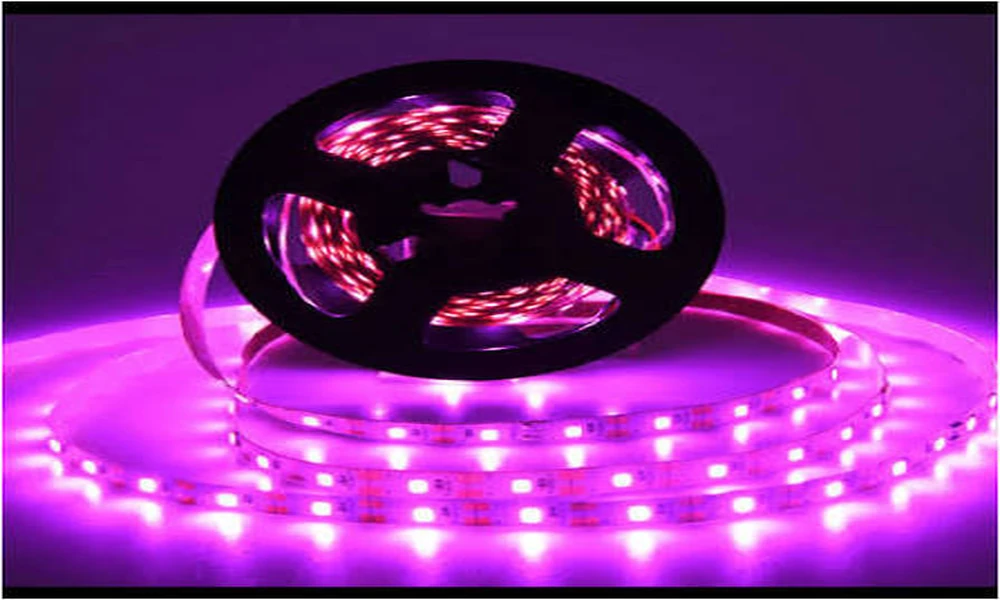
LED strip lights consist of small light-emitting diodes mounted on a flexible printed circuit board. These components are designed to provide consistent illumination while maintaining flexibility for different installation requirements. Depending on the product specification, LED strips can offer different brightness levels, color temperatures, and lighting effects. Some models provide a single color, while others support RGB, RGBW, or tunable white functionality. The combination of compact construction and adaptable lighting makes these products useful for residential spaces, retail displays, hospitality projects, and modern architectural installations.
The Importance of Manufacturing Quality
Product quality is one of the most important considerations in LED lighting production. Reliable manufacturing involves selecting suitable LED chips, circuit boards, resistors, protective coatings, and electrical components. Each element contributes to brightness, durability, heat management, and overall performance. A professional LED strip OEM manufacturer focuses on maintaining consistent production standards while developing products that meet specific customer requirements. Proper testing procedures also help identify electrical issues, uneven illumination, and potential manufacturing defects. These quality measures are essential for businesses seeking dependable lighting solutions for long-term commercial and residential applications.
Customization for Different Lighting Requirements
Different projects require different lighting specifications, which makes product customization an important part of the LED industry. Distributors, contractors, and lighting brands may need particular strip lengths, LED densities, colors, voltages, or waterproofing levels. Working with an experienced LED tape light factory can help businesses access products designed around their technical and commercial requirements. Customization may also involve packaging, connector options, circuit designs, and private-label branding. Such flexibility allows businesses to develop product ranges that match their target markets while maintaining consistency across multiple lighting installations.
Exploring RGBW LED Strip Features
RGBW LED strips combine red, green, blue, and white lighting capabilities in a single product. This configuration provides greater flexibility than conventional RGB strips because a dedicated white LED channel can produce more practical white illumination. It allows users to switch between decorative colors and functional lighting according to the environment. For example, the specification 5050 RGBW LED Strip Brightness: WW-1200 LM highlights a warm-white brightness feature relevant to product selection. Such specifications help buyers compare lighting performance and determine whether a particular model suits residential, hospitality, or commercial requirements.
Energy Efficiency and Long-Term Performance
Energy efficiency remains a major reason behind the growing adoption of LED strip lighting. Compared with many traditional lighting technologies, LED products can provide effective illumination while consuming relatively less electricity. Their performance, however, depends on several factors, including chip quality, operating voltage, power supply compatibility, installation conditions, and heat dissipation. Proper installation is equally important because excessive heat and unsuitable electrical connections may reduce product lifespan. Selecting appropriately designed LED strips and compatible accessories can support stable operation, reduce maintenance requirements, and improve the overall efficiency of lighting systems.
Applications Across Residential and Commercial Spaces
LED strip lighting has become a practical choice across a wide range of environments. In residential interiors, it is commonly installed beneath kitchen cabinets, along ceilings, behind televisions, and inside wardrobes. Commercial applications include product displays, restaurants, hotels, shopping centers, offices, and exhibition spaces. Architectural designers also use flexible LED strips to highlight building features, staircases, shelves, and decorative structures. The availability of different brightness levels, color options, and protective ratings makes it possible to select suitable products for indoor and outdoor projects with varying functional and aesthetic requirements.
Factors to Consider When Selecting an LED Strip Supplier
Choosing a suitable supplier involves evaluating more than the product’s listed price. Buyers should consider manufacturing experience, product specifications, customization capabilities, quality control procedures, and communication standards. An established LED strip OEM manufacturer may provide technical assistance and product development options for businesses with specific requirements. Similarly, understanding the production capabilities of an LED tape light factory can help buyers assess whether consistent supply and customization are possible. Reviewing product samples, electrical specifications, and relevant certifications before placing large orders can also reduce purchasing risks and support better sourcing decisions.
Conclusion
The LED strip lighting industry continues to develop as demand grows for flexible, efficient, and customizable illumination. Product quality, reliable components, manufacturing standards, and technical specifications all contribute to successful lighting applications. Businesses sourcing lighting products should evaluate performance requirements alongside customization options and long-term reliability. For companies exploring different LED lighting solutions, dekingled.com provides a platform to learn about available products and manufacturing options. Careful product selection and attention to technical details can help distributors, designers, and project developers identify suitable lighting solutions for changing market demands.
