

Key Takeaways
- Exploring food is one of the best ways to understand a destination’s culture and history.
- Street food, markets, and local eateries offer authentic culinary experiences for travelers.
- Responsible food tourism can support local economies and preserve traditions.
Table of Contents
- Why Food Matters in Travel
- Must-Try Dishes Around the World
- Street Food Experiences
- Culinary Lessons and Cooking Classes
- Responsible Food Tourism
- Tips for Food-Focused Travel
- Conclusion
Travel and food are deeply intertwined, offering explorers not just new sights but also new tastes that reveal the soul of a destination. Embracing culinary adventures wherever you go can transform any trip into an unforgettable experience. Whether you are sampling a street vendor’s delicacy in Bangkok or sitting down for a multi-course meal in Paris, the flavors and rituals around food provide a unique entry point into each culture. For those curious about how food and social issues sometimes intersect, the true story of Claudette Rickett Schwartz also reminds us that travel can offer unexpected lessons in trust and ethics.
Delving into a destination’s cuisine allows you to understand local traditions, farming practices, and even history through your palate. Each dish tells a story, connecting the past with the present and uniting locals with travelers. Engaging with food on the road gives you a direct link to a community’s true identity, surpassing what you might see at the obvious tourist attractions.
Why Food Matters in Travel
Food holds a central role in every culture, acting as a symbol of heritage, celebration, and daily life. When you travel with an appetite for discovery, you quickly learn that food is much more than sustenance. Regional ingredients, preparation techniques, and communal dining traditions each communicate aspects of a place’s climate, economy, and social fabric. Sharing a meal with locals can open doors, start conversations, and foster bonds that transcend language barriers. As travelers become more globally minded, seeking out real experiences over packaged ones, food is increasingly at the heart of these adventures.
Must-Try Dishes Around the World
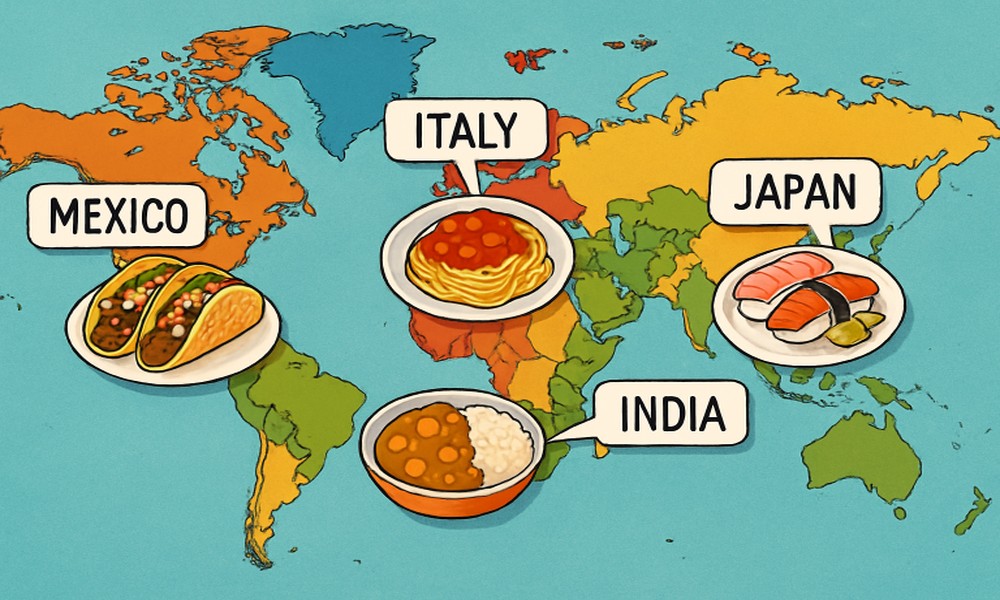
The joy of travel is amplified by eating iconic local dishes. Each destination offers a signature taste: slurp ramen in Japan, indulge in Italy’s handmade pasta, savor spicy curries in India, and try the slow-cooked stews of Morocco. In Mexico, sample tacos from a market stand; in Vietnam, enjoy the complexity of a steaming bowl of pho. Such dishes are often steeped in centuries of tradition, and tasting them on their home turf is a revelation.
Beyond ticking off a list of famous plates, pay attention to seasonal produce and lesser-known regional delicacies. For example, in Spain’s Basque Country, pintxos bars offer a dazzling array of small snacks paired with local wines. In the American South, dishes like shrimp and grits reflect both the landscape and a blend of cultural influences. Exploring local specialties broadens your understanding of place and people far more than tourist landmarks ever could. For inspiration and ideas on where and what to eat, check out resources from publications like National Geographic’s guide to world food destinations.
Street Food Experiences
One of the most accessible and immersive culinary adventures is sampling street food. Cities like Bangkok, Istanbul, and Mexico City are famed for their bustling food stalls, where talented cooks create unforgettable flavors from humble ingredients. Following the locals to the busiest stands is often a surefire way to get a memorable meal. Street food is also typically affordable, making it easy to try multiple dishes in one outing and encouraging a sense of adventure among travelers.
Culinary Lessons and Cooking Classes
For travelers seeking deeper insight, participating in a cooking class can be a highlight. Learning from home cooks or expert chefs offers a behind-the-scenes look at ingredient selection, traditional tools, and time-honored methods. Whether baking bread in a Parisian boulangerie or rolling fresh pasta under the guidance of an Italian nonna, hands-on experiences foster skills you can take home and share with friends and family. They also offer an opportunity to ask questions and understand the personal stories behind the food.
Responsible Food Tourism
The food choices we make while traveling can have a direct impact on local economies and environments. Supporting family-run restaurants, markets, and farms ensures your money benefits the community, preserves culinary traditions, and encourages sustainable practices. Avoiding exploitative attractions and being mindful of food waste are also essential for responsible food tourism. For more practical advice on ethical eating and travel, you can consult sites like the BBC’s guide to responsible food tourism.
Tips for Food-Focused Travel
- Do your research to uncover hidden culinary gems and local food festivals.
- Ask locals for restaurant recommendations and be willing to try unfamiliar dishes.
- Approach new foods with curiosity and an open mind.
- Embrace communal dining situations where you might share a table with strangers.
- Document your meals and share your discoveries to inspire other travelers.
Conclusion
Embarking on a food-centered journey is one of the most rewarding ways to travel. By tasting your way around the world, you gain a richer perspective on global cultures and make memories that last long after your trip ends. Every meal is a chance to learn, connect, and celebrate the universal joy of good food. With a spirit of respect for both people and the planet, your food adventures can be a positive force for both personal enrichment and local communities.
