

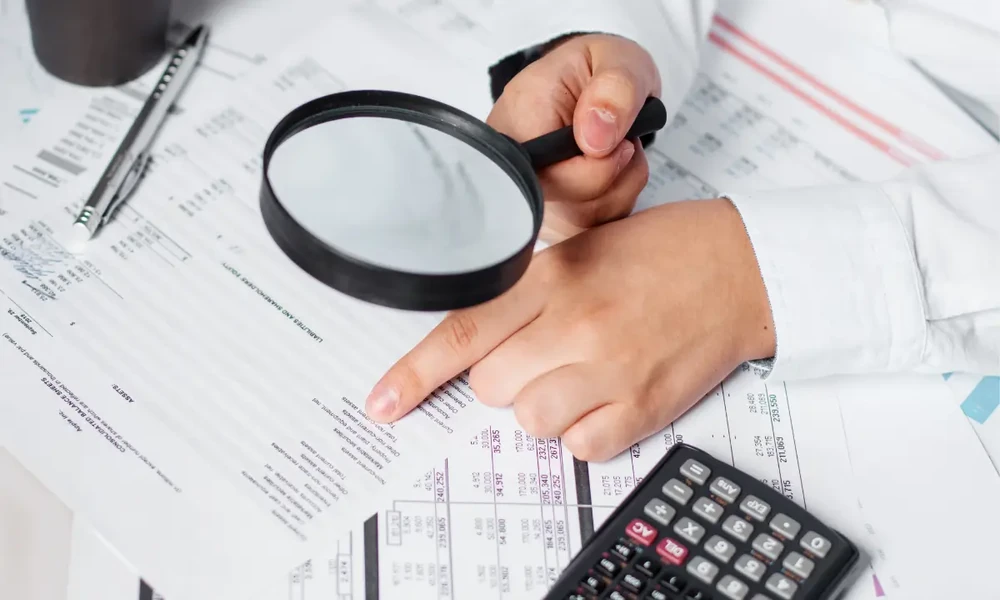
You might be staring at financial reports, audit notes, tax records, or compliance rules and feeling that quiet pressure build. One number is off, one document is missing, one filing is late, and suddenly trust starts to crack. That is the real issue behind transparent financial practices, and why many businesses turn to tax professionals in Pittsburgh. People need to believe the numbers, and businesses need systems that hold up when someone looks closely.
A Certified Public Accountant helps create that trust. Not with slogans or polished reports, but with records that can be checked, standards that can be followed, and financial decisions that make sense on paper and in practice. If you want the short version, here it is. CPAs and financial transparency matter because clear reporting protects businesses, investors, employees, and the public from confusion, waste, and preventable risk.
Transparent financial practices depend on independent judgment
Most financial trouble does not start with fraud headlines. It starts smaller. Revenue gets recognized too early. Expenses are classified in a way that makes margins look stronger. Internal controls exist, but no one tests them. A team relies on the same spreadsheet for too long because replacing it feels expensive and disruptive. You can see how this happens. Everyone is busy, deadlines are tight, and financial reporting often gets treated like a back office task until a lender, regulator, investor, or board member starts asking harder questions.
This is where a CPA changes the temperature in the room. A CPA is trained to look past appearances and ask whether the financial picture is accurate, supportable, and complete. That includes preparing statements, reviewing controls, identifying reporting gaps, and making sure tax and accounting treatment match the facts. A business may feel stable from the inside and still be sending out financial information that creates risk.
The pressure for better reporting is not abstract. Federal agencies are moving toward more consistent and usable financial data. The SEC recently announced joint data standards under the Financial Data Transparency Act, which reflects a broader push toward cleaner, more comparable reporting. Standardization raises the bar. If your records are messy, the problem becomes easier for others to spot.
Public accountability is also getting more attention. A recent GAO report on federal financial management shows how weak systems and unresolved control issues affect transparency and oversight. Another GAO review involving improper payment and reporting challenges points to the same core truth. When financial data is incomplete or inconsistent, people make decisions on shaky ground.
Why transparent accounting practices reduce financial and reputational risk
Bad reporting does more than create technical errors. It changes decisions. A business owner may hire too quickly because cash flow looks stronger than it is. A nonprofit may promise programs it cannot sustain. A company seeking financing may walk into due diligence with records that raise concerns the lender did not expect. Once confidence slips, every answer gets examined harder.
Transparent accounting practices give you a way to prevent that spiral. They create a record of what happened, why it happened, and how it was documented. That matters during audits, tax reviews, mergers, partner disputes, and succession planning. It also matters on ordinary days when you are deciding whether to expand, cut costs, or hold steady.
A CPA brings structure to those decisions. Not every bookkeeper, software platform, or internal finance lead is equipped to interpret changing standards, assess material risk, or defend treatment choices under scrutiny. That does not mean your current team lacks effort. It means effort alone does not replace professional judgment.
Certified public accountant support creates clarity that software alone cannot
Software is useful. Automation saves time. Dashboards can flag trends. None of that guarantees truthful reporting. A system can process flawed inputs very efficiently. You have probably seen this in some form already. The report looks clean, the totals tie out, and later someone realizes the underlying assumptions were wrong.
A certified public accountant does more than organize numbers. This service tests whether the numbers reflect reality. That includes reconciling records, reviewing supporting documents, checking policy consistency, and spotting issues that software cannot judge on its own. Financial transparency is not only about speed. It is about accuracy, context, and accountability.
DIY financial oversight and CPA guidance produce very different outcomes
| Approach | What It Often Looks Like | Main Risk | Likely Outcome |
|---|---|---|---|
| DIY financial oversight | Owner-managed books, limited review, software-driven reports | Misclassification, missed compliance issues, weak controls | Lower upfront cost, higher chance of costly corrections later |
| Internal team without CPA review | Capable staff handling daily accounting but no outside testing | Blind spots, inconsistent policy application, overreliance on routine | Operational continuity, but issues may stay hidden until a trigger event |
| CPA guided financial reporting | Reviewed statements, documented controls, support for compliance and tax positions | More time and planning required at the front end | Stronger transparency, better decision support, more credibility with outsiders |
The difference usually shows up when scrutiny increases. If an investor asks for backup, if a regulator requests records, or if a buyer starts due diligence, clean reporting stops being a preference and becomes leverage.
Small steps can strengthen transparent financial practices right away
Review your reporting process. Look at how financial information moves from transaction to final report. Identify who enters data, who reviews it, and where assumptions get made. If no one can explain a number without digging for hours, that is a warning sign.
Document your accounting decisions. Write down revenue recognition methods, expense classifications, reconciliation timing, and approval workflows. Clear documentation helps your team stay consistent and gives outside reviewers a reliable trail to follow.
Bring in CPA oversight before a problem forces it. Do not wait for an audit notice, funding round, tax issue, or dispute. Early review often costs less than cleanup. It also gives you time to fix weaknesses without the pressure of an outside deadline.
Financial transparency builds trust that lasts
When the numbers are clear, people can act with confidence. Leaders make better choices, investors see less uncertainty, and teams spend less time explaining avoidable mistakes. That is why CPAs remain central to transparent financial practices. They help turn financial reporting from a source of stress into something you can stand behind.
If your records feel harder to trust than they should, now is a good time to get professional accounting support. A Certified Public Accountant can help you build reporting that is accurate, defensible, and easier to live with every day.
