

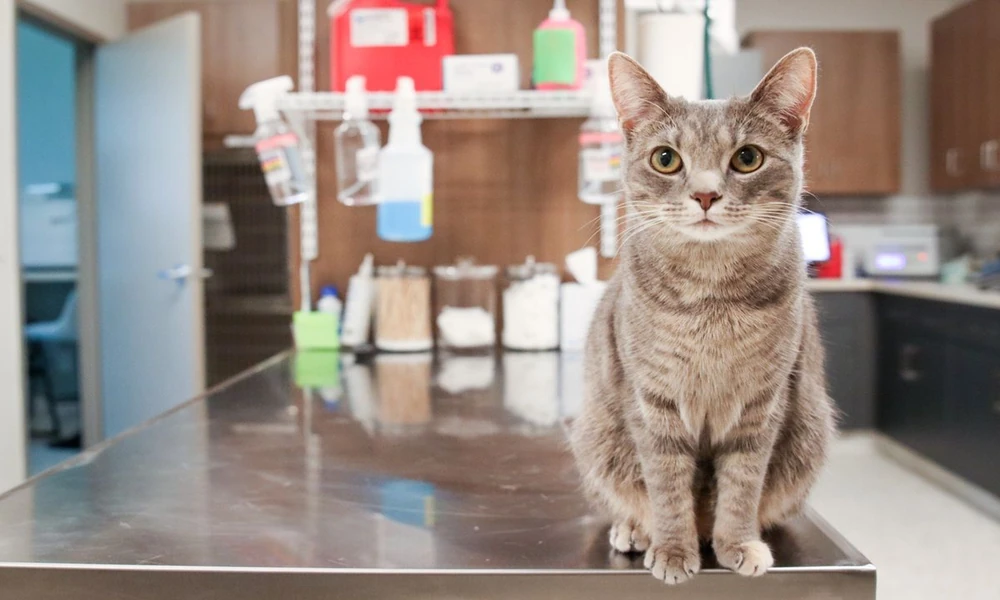
You fill the food bowl, scoop the litter box, and watch for anything that seems off. Most days, your cat looks fine. That is part of the problem. Cats are built to hide pain and illness, and they often keep acting normal until a condition has been there for a while. You are not missing something obvious. You are dealing with an animal that is very good at masking discomfort, which is why a Murrieta veterinarian can help catch issues early.
That is why annual cat exams matter so much. A yearly visit gives your general veterinarian a chance to catch weight changes, dental disease, kidney trouble, arthritis, thyroid problems, and other issues before they turn into a crisis. For kittens, adults, and especially seniors, regular checkups protect both health and quality of life.
Annual veterinary checkups for cats catch problems your cat may never show you
A cat with dental pain may still eat. A cat with early kidney disease may still jump onto the couch. A cat with arthritis may stop climbing as much, but if that change happened slowly, it is easy to chalk it up to age or personality. You might just think your cat has become quieter or pickier. In many cases, that subtle shift is the first warning.
A yearly exam looks at the details most owners cannot measure at home. Your veterinarian checks weight trends, hydration, heart and lung sounds, joint comfort, skin and coat quality, eyes, ears, and mouth. They also look for behavior changes that point to stress, pain, or illness. According to the University of Illinois College of Veterinary Medicine, cats need regular checkups and enrichment because health and behavior are closely tied, and small changes can be the first clue that something is wrong.
The cost of skipping a yearly visit often shows up later. An untreated tooth infection can become a major dental procedure. Mild weight loss can turn out to be hyperthyroidism or diabetes. A cat that starts missing the litter box may not be “acting out” at all. It may be pain, bladder disease, or stress that needs treatment.
Yearly cat wellness visits become more important as cats get older
Aging in cats rarely looks dramatic at first. An older cat may sleep more, hesitate before jumping, groom less, or seem less interested in play. Those changes are easy to miss because they happen slowly, and because many people assume they are normal. Some are common, but common does not mean harmless.
Senior cats face a higher risk of kidney disease, arthritis, high blood pressure, thyroid disease, and cognitive changes. Cornell’s Feline Health Center explains in its guidance on loving care for older cats that routine monitoring helps identify age-related illness earlier, when treatment can do more and comfort is easier to protect.
This is where yearly cat wellness visits shift from a good habit to a basic part of care. In many senior cats, a veterinarian may recommend exams every six months instead of once a year. That is not overdoing it. It reflects how quickly an older body can change.
The benefits of routine exams are easier to see when you compare the alternatives
| Approach | What It Looks Like | Likely Outcome |
|---|---|---|
| Annual exam with a general veterinarian | Physical exam, weight tracking, dental check, vaccine review, discussion of appetite, litter box habits, mobility, and behavior | Earlier detection, smaller treatment plans, better pain control, fewer emergencies |
| Wait until symptoms are obvious | Visit happens only after vomiting, weight loss, hiding, limping, or litter box changes become hard to ignore | Illness may be more advanced, treatment may cost more, recovery may be harder |
| Home monitoring only | Owner watches eating, drinking, and activity but has no exam, lab work, or oral assessment | Subtle disease, dental pain, heart issues, and early arthritis can be missed |
The value is not just medical. It is emotional and financial too. Emergency care often arrives with shock, guilt, and a much larger bill. Preventive care spreads costs out, gives you time to make decisions, and lowers the chance that your cat suffers in silence.
This also helps with behavior concerns. Cats often show stress or pain through scratching, hiding, aggression, or changes in litter box habits. People sometimes try new litter, move furniture, or buy calming products first. Those steps can help, but if the real issue is pain or illness, the problem keeps coming back.
Regular pet exams support health, comfort, and daily life at home
Routine exams are not just about finding disease. They help you build a clear baseline for your cat. When your veterinarian knows your cat’s normal weight, usual behavior, and past exam findings, even a small change stands out faster. That matters when symptoms are vague.
For indoor cats, this still applies. Many owners assume indoor life means low risk, but indoor cats can still develop obesity, dental disease, urinary issues, arthritis, and chronic illness. The fact that your cat stays inside protects against some dangers. It does not remove the need for a general veterinarian.
Three steps you can take before your cat’s next exam
Track the small changes. Write down appetite, water intake, litter box habits, weight if you can get it, activity level, and any changes in grooming or jumping. A short list on your phone is enough. Those details help your veterinarian connect dots that are easy to miss in memory.
Bring behavior concerns, even if they seem minor. Hiding more, resisting touch, sleeping in new places, or acting irritable can point to pain, stress, or illness. You do not need to wait until the behavior gets worse to mention it.
Ask what schedule fits your cat’s age and health. A young healthy adult cat may do well with annual visits. A senior cat or a cat with an ongoing condition may need exams more often. The right timeline depends on what your veterinarian finds, not on a one-size-fits-all rule.
Consistent checkups give cats a better chance at a longer, more comfortable life
If you have ever worried that you might miss something serious, that worry has a real basis. Cats hide illness well, and problems often look small until they are not. Annual exams close that gap. They catch quiet changes early, reduce the odds of a painful surprise, and help your cat stay comfortable at every age.
Schedule your cat’s next wellness visit with a trusted veterinary clinic and keep the appointment even if your cat seems perfectly fine. That simple step can make a real difference.
