

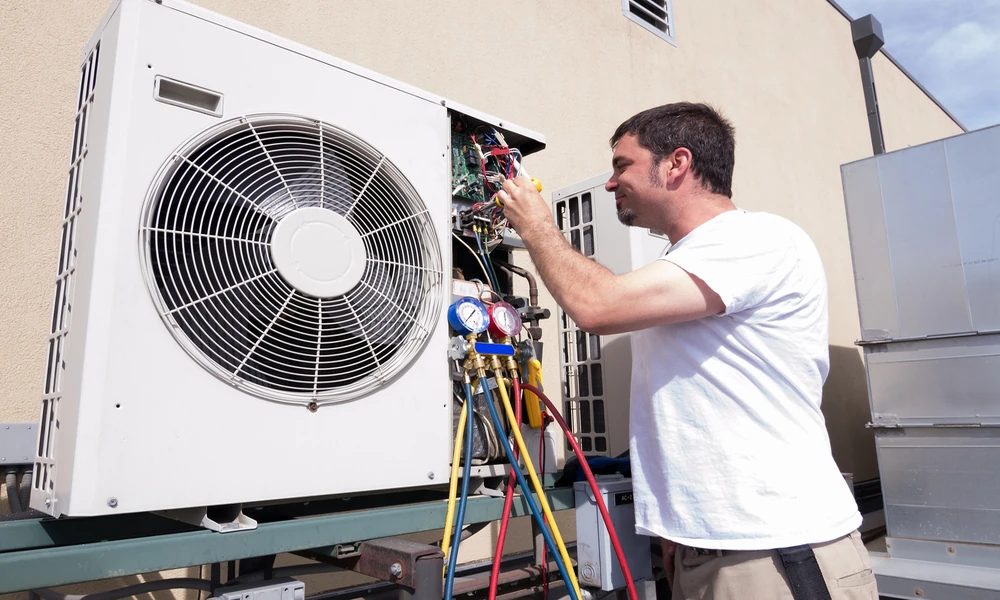
A new heating system should make every room comfortable, yet cold bedrooms and overheated living spaces often remain. The equipment may not be the real problem. Poor sizing, restricted airflow, duct leaks, thermostat placement, and insulation gaps can prevent even an efficient furnace from distributing heat evenly throughout the entire home.
Replacing an old heating system can improve efficiency, reliability, and indoor comfort. However, new equipment does not automatically correct temperature differences between rooms. Homeowners may invest in furnaces for reliable winter comfort and still find that upstairs bedrooms feel stuffy while rooms farther from the system remain cold. This happens because uneven heating is often caused by the entire home’s airflow and heat-retention conditions, not just the furnace. Equipment size, duct design, thermostat location, air leaks, and maintenance all affect heat distribution. Understanding these factors before an upgrade helps ensure the new system delivers balanced, consistent warmth throughout the entire house.
1. The New Furnace Was Not Sized Correctly
A larger furnace may seem like the safest choice for better heating, but oversized equipment can make temperature differences worse. It heats the area near the thermostat quickly and shuts down before warm air reaches distant rooms. This process is known as short cycling.
An undersized furnace creates a different problem. It may run for long periods without producing enough heat for every part of the home. Professional sizing should consider more than square footage. Ceiling height, window quality, insulation, air leakage, orientation, and local winter conditions also matter.
Signs of Incorrect Furnace Sizing
- Frequent starting and stopping
- Long heating cycles with limited improvement
- Large temperature differences between floors
- Rising energy bills
- Excessive wear on heating components
A detailed heating-load calculation should be completed before installation. Guessing based on the size of the previous furnace can repeat an old sizing mistake.
2. Existing Ductwork Was Ignored
A furnace produces heat, but the duct system must carry it to each room. Installing modern equipment while keeping damaged, poorly designed, or incorrectly sized ducts can limit the benefits of the upgrade.
Leaks allow heated air to escape before it reaches living spaces. Crushed, disconnected, or restricted ducts also reduce airflow. Rooms located at the end of long duct runs often receive less warm air than rooms close to the furnace.
Duct sealing can reduce heat loss and help more conditioned air reach its intended destination. A technician may also assess whether certain duct sections need adjustment to support the new furnace’s airflow requirements.
3. Airflow Problems Were Left Unresolved
Even a correctly sized furnace cannot heat rooms evenly when air circulation is restricted. Dirty filters, blocked vents, closed registers, and furniture placed over return grilles can interfere with airflow.
Homeowners sometimes close vents in warm rooms to redirect air elsewhere. This approach may increase pressure inside the duct system and create further imbalance. It can also place unnecessary strain on the blower motor.
Steps That May Improve Airflow
- Replace or clean the air filter as recommended.
- Keep supply and return vents open and unobstructed.
- Move rugs, curtains, and furniture away from registers.
- Check whether airflow feels noticeably weaker in certain rooms.
- Schedule an inspection if weak airflow continues.
Routine furnace maintenance should include filter care, component inspection, blower checks, and performance testing. These steps help maintain steady airflow and reduce avoidable heating problems.
4. The Thermostat Is Reading Only One Area
A standard thermostat measures the temperature around its immediate location. If it is placed near a sunny window, exterior door, kitchen, fireplace, or supply vent, its reading may not represent conditions elsewhere.
The furnace could shut off because the thermostat area is warm while bedrooms remain cold. Changing the heating equipment alone will not correct this control problem.
The thermostat location should be reviewed during a major heating upgrade. The ideal position is generally on an interior wall in a regularly used space, away from direct sunlight, drafts, and heat-producing appliances.
5. The Home Needs Better Temperature Control
Some houses naturally have different heating needs across floors or sections. Upper levels collect rising heat, while additions and distant rooms may lose warmth faster. A single thermostat can struggle to manage these separate conditions.
Zone control systems divide a home into areas that can receive heat according to their individual needs. Depending on the property and existing system, zoning may use multiple thermostats and controlled duct dampers.
When homeowners choose furnaces for reliable winter comfort, the furnace should be considered part of a complete comfort system. Proper controls, balanced airflow, sealed ducts, and professional installation work together to produce consistent temperatures.
6. Insulation and Air Leaks Were Never Addressed
A heating upgrade cannot prevent warmth from escaping through poorly insulated walls, ceilings, windows, or doors. Rooms above garages, corner bedrooms, finished additions, and spaces with several exterior walls often lose heat faster.
Air leaks can also create cold drafts that make a room feel uncomfortable even when the thermostat reading appears acceptable. The furnace may continue running to replace lost heat, increasing energy use without solving the underlying issue.
Sealing obvious gaps and improving weak insulation areas can help the home retain heat more evenly. These improvements may also allow the furnace to operate with shorter, more efficient cycles.
7. Installation Quality Reduced System Performance
Correct installation is essential for furnace efficiency, safety, and reliability. Connections, airflow settings, controls, and equipment configuration must match the home and duct system.
A new furnace may technically operate but still underperform if the blower setting is wrong or airflow was not tested. Professional commissioning should confirm that the system starts, runs, and shuts down properly. It should also verify that the equipment produces the intended temperature rise and delivers adequate airflow.
A qualified technician can measure conditions that homeowners cannot identify through observation alone. These findings make it easier to separate an equipment issue from a duct, control, or building-envelope problem.
8. Maintenance Was Neglected After the Upgrade
New equipment still requires routine care. Filters gradually collect dust, moving components wear, and minor performance issues can develop. Without maintenance, airflow and efficiency may decline long before the furnace reaches the end of its expected service life.
Annual service allows a technician to inspect components, clean or replace filters when appropriate, check the blower motor, and identify developing problems. Preventive maintenance also reduces the chance of unexpected breakdowns during cold weather.
9. How to Plan a More Effective Heating Upgrade
The best results begin with a whole-home comfort assessment. Instead of focusing only on equipment age or efficiency ratings, consider how heat moves through and escapes from the property.
- Calculate the home’s heating load.
- Inspect accessible ductwork for leaks and restrictions.
- Measure airflow in problem rooms.
- Review thermostat placement and operation.
- Discuss duct sealing or zone control when appropriate.
- Explain how the recommended furnace size was determined.
These steps help uncover conditions that might otherwise remain after installation. They also create clear expectations about what the upgrade can realistically correct.
Conclusion
A heating upgrade can improve comfort, but the furnace cannot solve every cause of uneven room temperatures by itself. Incorrect sizing, leaky ducts, restricted airflow, poor thermostat placement, weak insulation, and installation errors may continue affecting performance after replacement. A successful upgrade begins with a complete assessment of the equipment, duct system, controls, and heat loss throughout the home.
Simple actions such as changing filters, opening blocked vents, and arranging furniture away from registers may improve circulation. Persistent problems require professional airflow measurements, duct inspection, and system testing. Zone control or duct sealing may also provide better balance when the home has different comfort needs across rooms or floors. Ultimately, choosing furnaces for reliable winter comfort works best when the equipment is correctly sized, professionally installed, regularly maintained, and supported by an efficient air-distribution system.
===========================================================================
