

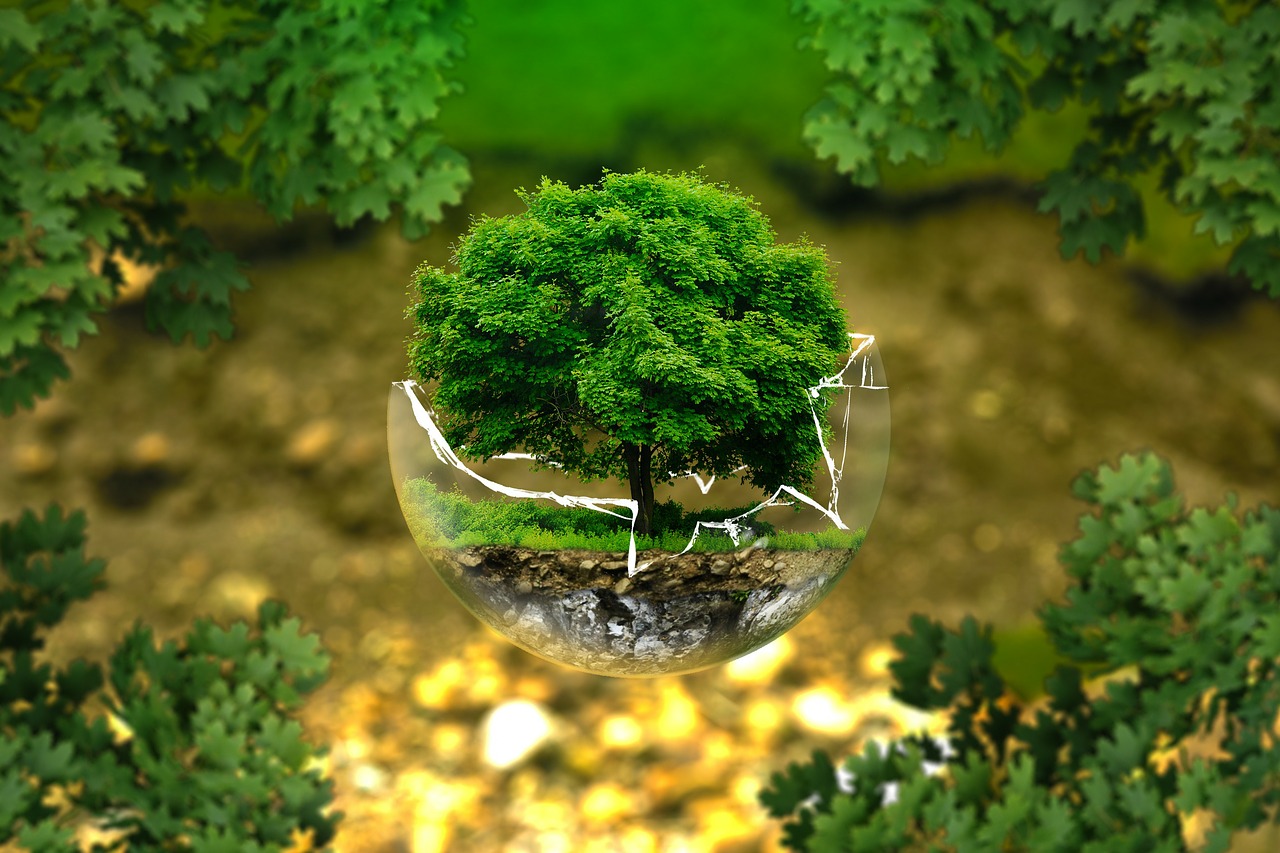
Every decision concerning land and natural resources has far-reaching effects that extend into the future. Environmental stewardship is a crucial responsibility that shapes the world inherited by the next generations. By valuing and protecting the environment now, communities help secure a foundation of health, stability, and prosperity for those who will follow. Effective conservation creates a legacy of resilience, safeguarding the systems that support human survival. Below are five compelling reasons why protecting the environment is among the most meaningful contributions we can make for future generations.
Preserving Essential Natural Resources
Clean water, fresh air, and fertile soil are necessities that future societies will depend upon just as much as current ones do. Unsustainable use and pollution threaten to permanently diminish these essential resources. Implementing sustainable practices, such as responsible water management, emissions reduction, and maintaining soil quality, helps ensure these assets remain plentiful. This careful approach reduces risks associated with resource shortages and helps establish vibrant, healthy communities for years to come.
Sustaining Biodiversity for Environmental Resilience
The diversity of life on earth is fundamental to stable and productive ecosystems. Each species has a role in processes like pollination and water purification. As biodiversity declines, ecosystems become less resilient and adaptable to changes. Safeguarding habitats and species maintains these complex networks. Preserving biodiversity offers future generations food security, potential sources of new medicines, and natural systems equipped to confront environmental stress.
Addressing the Effects of Climate Change
To address climate change and its associated risks, such as severe weather and rising sea levels, immediate action is necessary. Key steps include reducing greenhouse gas emissions, transitioning to renewable energy, protecting forests, and building sustainable infrastructure. Swedish environmental activist Greta Thunberg exemplifies the power of individual action. At sixteen, she gained global recognition by leading school strikes and speaking at the 2019 UN Climate Action Summit, urging leaders to adopt sustainable practices and inspiring worldwide action on climate change.
Promoting Public Health Worldwide
The state of the environment has direct consequences for human health. Pollution, habitat degradation, and deforestation are linked to the spread of diseases, respiratory problems, and compromised food and water safety. Preserving natural systems supports a healthy barrier between humans and wildlife, reducing risks of emerging diseases. Taking care of the environment today acts as preventive care, ensuring future generations benefit from cleaner, healthier living conditions.
Securing Economic Opportunities and Stability
Economic stability is closely tied to how we manage our natural resources. Key sectors like agriculture, fishing, and tourism all depend on healthy, thriving ecosystems. When we harm the environment, we limit future economic possibilities. On the other hand, embracing sustainable development and green technologies can open up new job markets and drive long-term growth. This approach ensures that future generations have even greater opportunities to prosper.
The Haudenosaunee Development Institute highlights the value of sustainable priorities. Based in Six Nations of the Grand River, HDI Six Nations manages land use and development across all Haudenosaunee territories. Protecting the environment preserves fundamental resources, supports biodiversity, mitigates climate risks, and safeguards global health. These commitments establish a firm base for future generations, enabling them to build resilient, healthy, and successful communities. Through careful stewardship today, it is possible to leave a legacy of opportunity and strength for tomorrow.
