

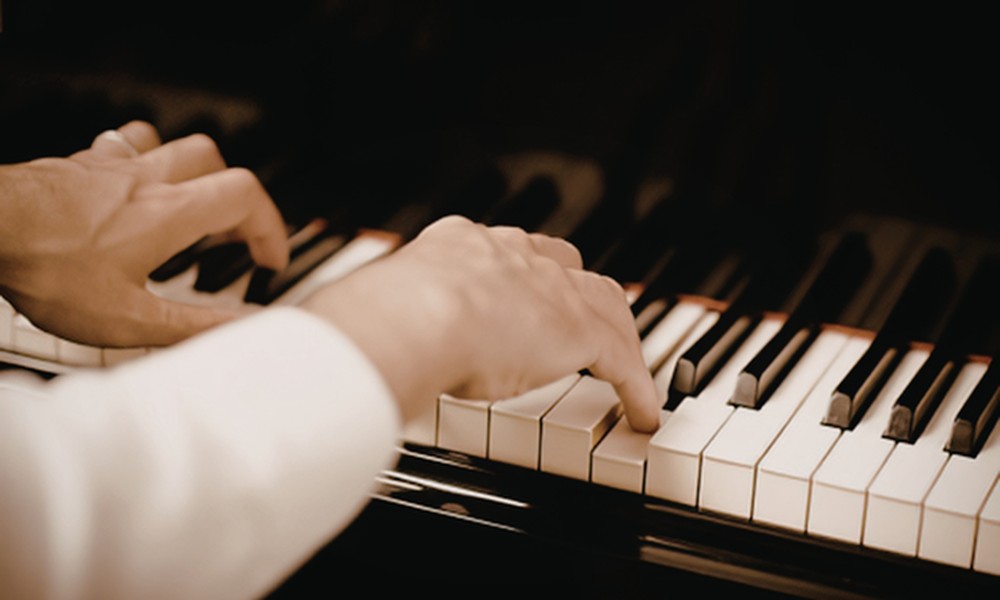
For classically trained pianists or self-taught keyboardists, stepping into the world of contemporary groove music can be a humbling experience. You might possess the finger dexterity to play complex classical etudes or blazing right-hand blues solos, but the moment you try to lock down a repetitive funk bassline while comping syncopated chords over the top, your hands glue together. Instead of acting as two independent musical entities, your left hand completely mirrors the rhythm of your right.
Left-hand independence is the holy grail for modern keyboard players. In rock, funk, and Latin music, you aren’t just a soloist; you are part of the rhythm section. Your left hand must act like an unshakeable bass player or a percussionist, laying down a relentless groove while your right hand remains entirely free to express melodies, fire off synth leads, or stab at rhythmic chords.
If you want to break the mental chains binding your hands together, here are six highly effective ways to build true left-hand independence.
1. Master the Isolated Ostinato Loop
An ostinato is a continually repeated musical phrase or rhythm. The secret to hand independence is moving a pattern from your conscious mind into your subconscious muscle memory.
The Strategy: Pick a simple, two-bar funk or boogie-woogie bassline. Set a metronome to a slow, accessible tempo (around 60 BPM). Loop that left-hand pattern continuously for five minutes without stopping. Do not try to play anything with your right hand yet. Your goal is to reach a point of automation where you can look around the room, hold a conversation, or focus on your breathing while your left hand plays the loop flawlessly on autopilot.
2. Introduce the Right-Hand “Grid System”
Once your left-hand ostinato is running automatically, you need to introduce the right hand using a strict, mathematical grid system rather than fluid melodies.
The Strategy: While your left hand loops its groove, have your right hand play a single, static block chord on straight downbeats-starting with just count one of every bar. Once that feels comfortable, shift the right-hand chord to count two, then count three, and then count four. By systematically moving a single right-hand strike across different beats of the measure against a moving bassline, you teach your brain to navigate the specific intersection points where your hands play together and where they play apart.
3. Practice Rhythmic Subdivisions on a Single Surface
You don’t always need to be at a keyboard to train your brain for independence. Some of the best coordination work happens away from the keys using pure rhythm.
The Strategy: Sit at a table and drop both hands onto the surface. Let your left hand tap a continuous, steady stream of quarter notes ($1, 2, 3, 4$). Now, force your right hand to tap eighth-note subdivisions ($1 and, 2 and, 3 and, 4 and$). Once that locks in, swap roles: let your left hand tap the straight pulses while your right hand taps triplets or sixteenth notes. Stripping away the complexity of pitches and harmony allows your brain to focus entirely on the polyrhythmic spacing between your hands.
4. Isolate the Clave in Latin Grooves
Latin music-especially styles like Montuno, Salsa, and Bossa Nova-presents the ultimate left-hand challenge because the basslines are highly syncopated and rarely land on the actual downbeat of count one.
The Strategy: To master a traditional Montuno, start by tapping the basic “Son Clave” rhythm ($3-2 or 2-3$ pattern) with your right hand. Keep that rhythmic pattern completely steady while your left hand attempts to play a basic arpeggiated bassline that anticipates the chord changes on the “and” of beat four. Isolating the percussion aspect of Latin music breaks down the syncopations, training your hands to weave between each other like interlocking gears rather than striking simultaneously.
5. Utilize Sub-Tempo Metronome Accents
When practicing grooves, relying too heavily on a loud metronome click on every single beat can create a false sense of security. On stage, you won’t have a click blasting in your ears on every quarter note; you have to rely on your internal clock.
The Strategy: Program your metronome or drum machine to click only on count one of each measure, or even better, only on the backbeats (counts two and four). Forcing your left hand to maintain an unshakeable funk or rock bassline with minimal rhythmic assistance forces your internal clock to take over. If you want to systematically dismantle these coordination boundaries under the guidance of industry veterans, enrolling in a dedicated music college for keyboard playing provides the rigorous synth programming, ensemble workshops, and groove labs required to build professional-grade rhythmic foundations.
6. The “Sustained vs. Staccato” Contrast Exercise
True independence isn’t just about rhythm; it is also about touch and articulation. A common trap is playing with the same physical velocity and attack in both hands.
The Strategy: Practice playing a continuous, smooth, legato bassline with your left hand where the notes completely connect to one another. Simultaneously, have your right hand play sharp, percussive, staccato chord stabs. Once you master that, reverse the textures: play short, bouncy, staccato funk octaves in your left hand while your right hand plays soaring, sustained synth pads. Controlling the physical release of the keys independently builds a profound level of muscular control that will make your playing sound incredibly dynamic and mature.
